
Movement as Medicine:
The Reset Button We Keep Skipping
Activity is not punishment. It is presence. Here is what the research says about how much movement you need, and how to build it into a full, busy life.

Somewhere along the way, many of us learned to see exercise as punishment: something you do to make up for what you ate, or to shrink yourself into a certain size. In the MySWANS™ framework, Activity means something different. It is how you care for your heart, your mood, your joints, your blood sugar, and your nervous system. It is movement as medicine.
That shift matters. When movement is punishment, it is the first thing to go on a hard week. When movement is care, it becomes something you protect.
What the guidelines actually say
The federal Physical Activity Guidelines recommend that adults get 150 to 300 minutes of moderate activity a week, such as brisk walking, or 75 to 150 minutes of vigorous activity, plus muscle-strengthening activity at least 2 days a week. Just as important, the guidelines are clear that some activity is better than none, that benefits begin with any amount, and that moving more and sitting less helps nearly everyone.1
You also do not need to hit 10,000 steps to benefit. A 2022 analysis of 15 studies including nearly 50,000 adults found that more daily steps were linked with a lower risk of death, with the benefit leveling off at about 6,000 to 8,000 steps a day for adults 60 and older and about 8,000 to 10,000 steps for younger adults.2
Movement and your mood
Activity is one of the most underused tools for mental health. A large 2024 review of more than 200 clinical trials found that exercise reduced symptoms of depression, with walking or jogging, yoga, and strength training among the most effective options, and stronger effects with more vigorous effort.3 Movement can be part of depression care alongside therapy and medication when those are needed. It is not a replacement for treatment, but it is a powerful partner.
Movement also gives stress hormones somewhere to go. A brisk walk after a hard conversation, a dance break in the kitchen, or a few minutes of stretching before bed can help your body shift out of high alert.
If you have heart disease, diabetes, high blood pressure, joint or back problems, are pregnant, or have been inactive for a long time, check in with your provider about what is safe for you. Stop and seek care right away for chest pain or pressure, severe shortness of breath, fainting, or dizziness during activity.
Why strength matters more with age
Muscle is not just about how you look. It helps your body use blood sugar, supports your bones and joints, and protects your balance so you are less likely to fall. Without regular use, muscle mass tends to decline as we age. Strength training two days a week helps you keep it, and it matters even more during weight loss, when the goal is to lose fat while protecting muscle. (I wrote more about that in The Number on the Scale Is Not the Whole Story.)
Strength training does not require a gym. Resistance bands, light dumbbells, water jugs, and your own body weight all count.
Making it fit a real life
- Start where you are. A 10-minute walk counts. So does 5. Build from there.
- Try movement snacks. Take the stairs, walk during phone calls, or do a few squats while the coffee brews.
- Walk after meals. A short walk after eating can help lower the rise in blood sugar that follows a meal.
- Choose joy. Dancing, swimming, gardening, cycling, or chasing your kids all count. The best activity is the one you will keep doing.
- Strengthen twice a week. Sit-to-stand from a chair, wall push-ups, glute bridges, and band rows are a great start.
- Put it on the calendar. Treat movement like an appointment you keep with yourself.
- Respect rest days. Recovery is when muscles rebuild. Rest is part of the plan, not a failure of it.
Movement does not have to earn its place by burning calories. It earns its place by helping you feel more at home in your body.
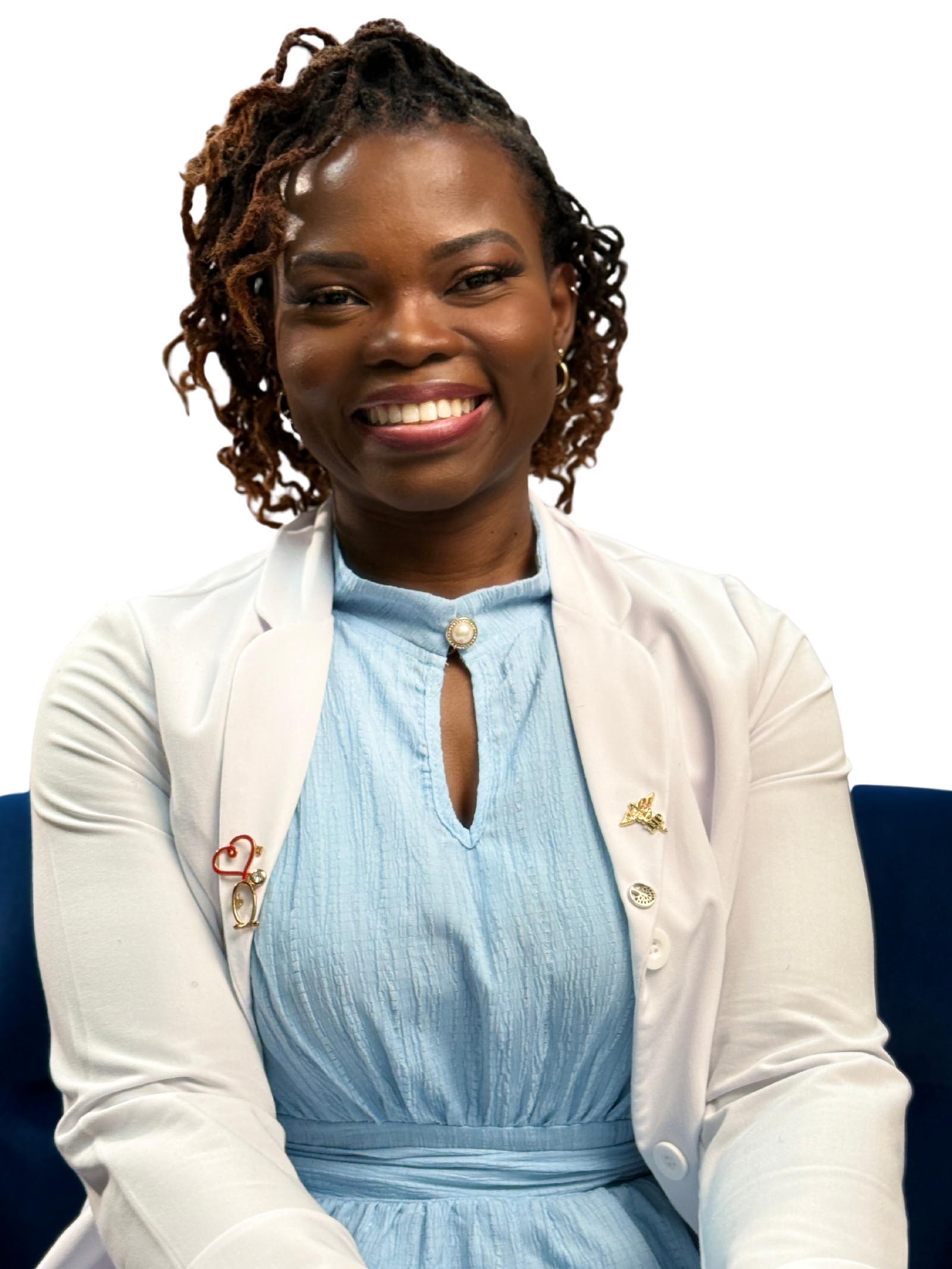
Chelsea Asante, FNP-C · Orchid Wellness
Activity and the other pillars
Activity connects to every part of MySWANS™. Regular movement can help you fall asleep more easily and sleep more deeply. It builds resilience to stress. It increases your water needs, and it changes how your body uses the food you eat. The MySWANS™ Lite tracker in our web app lets you check in on all five pillars each day, so you can see patterns over time instead of guessing.
How Orchid Wellness can help
If you are not sure where to begin, start with a visit. Chelsea can review your health history, medications, and any conditions that affect what is safe for you, then help you build a realistic plan. For patients who want to track progress beyond the scale, 3D body scanning in our Carrollton office measures body fat, lean mass, and circumferences over time, and our medical weight loss program pairs movement with nutrition and medical support.
A simple starter week
If you have been inactive, here is one gentle way to begin. Adjust it to your body and your schedule.
- Monday: a 10-minute walk after lunch or dinner.
- Tuesday: 10 minutes of strength: sit-to-stand from a chair, wall push-ups, and glute bridges.
- Wednesday: a 15-minute walk, or a dance break to three favorite songs.
- Thursday: 10 minutes of gentle stretching or beginner yoga.
- Friday: repeat Tuesday’s strength routine.
- Weekend: something you enjoy: a walk with a friend, a bike ride, gardening, or playing with your kids.
After two or three weeks, add five minutes to your walks or a few more repetitions. Slow, steady progress is how lasting habits form.
Common barriers, and what to try
“I don’t have time.” Break it up. Three 10-minute walks count just as much as one 30-minute walk.
“It hurts.” Pain deserves an evaluation. Low-impact options such as walking in water, cycling, or chair exercises may feel better, and building strength often eases joint pain over time.
“I can’t stay motivated.” Rely on routine instead of motivation: same time, same place, a friend who expects you, or a playlist you only use for movement.
One more thing worth saying: your body does not have to look a certain way to benefit from movement. People of every size, age, and fitness level gain heart, mood, and blood sugar benefits from regular activity, often long before the scale changes. Measure your progress in what you can do: climbing stairs without stopping, carrying groceries more easily, keeping up with your kids, or sleeping better. Those wins are real health gains, and they are worth celebrating.
Ready to move with a plan?
Get a plan that fits your body, your schedule, and your health history, in person in Carrollton or by telehealth in TX, NY, VA, and DC.
Book a Visit Medical Weight LossThis article is for general education and is not medical advice. Talk with your healthcare provider about your own health. In an emergency, call 911.
- U.S. Department of Health and Human Services. Physical Activity Guidelines for Americans, 2nd edition. 2018. odphp.health.gov
- Paluch AE, Bajpai S, Bassett DR, et al. Daily steps and all-cause mortality: a meta-analysis of 15 international cohorts. Lancet Public Health. 2022;7(3):e219-e228.
- Noetel M, Sanders T, Gallardo-Gómez D, et al. Effect of exercise for depression: systematic review and network meta-analysis of randomised controlled trials. BMJ. 2024;384:e075847.